Too many
blind spots.
- ×Visits live in spreadsheets and reports
- ×Routes are planned by guesswork
- ×Managers find gaps at month end
- ×Customer coverage is hard to verify
Plan smarter routes. Capture real visits. See what happens beyond the CRM.
The plan means more when you can see what happened next.
A clearer way to run field salesThree connected layers turn a day in the field into a story you can understand and improve.
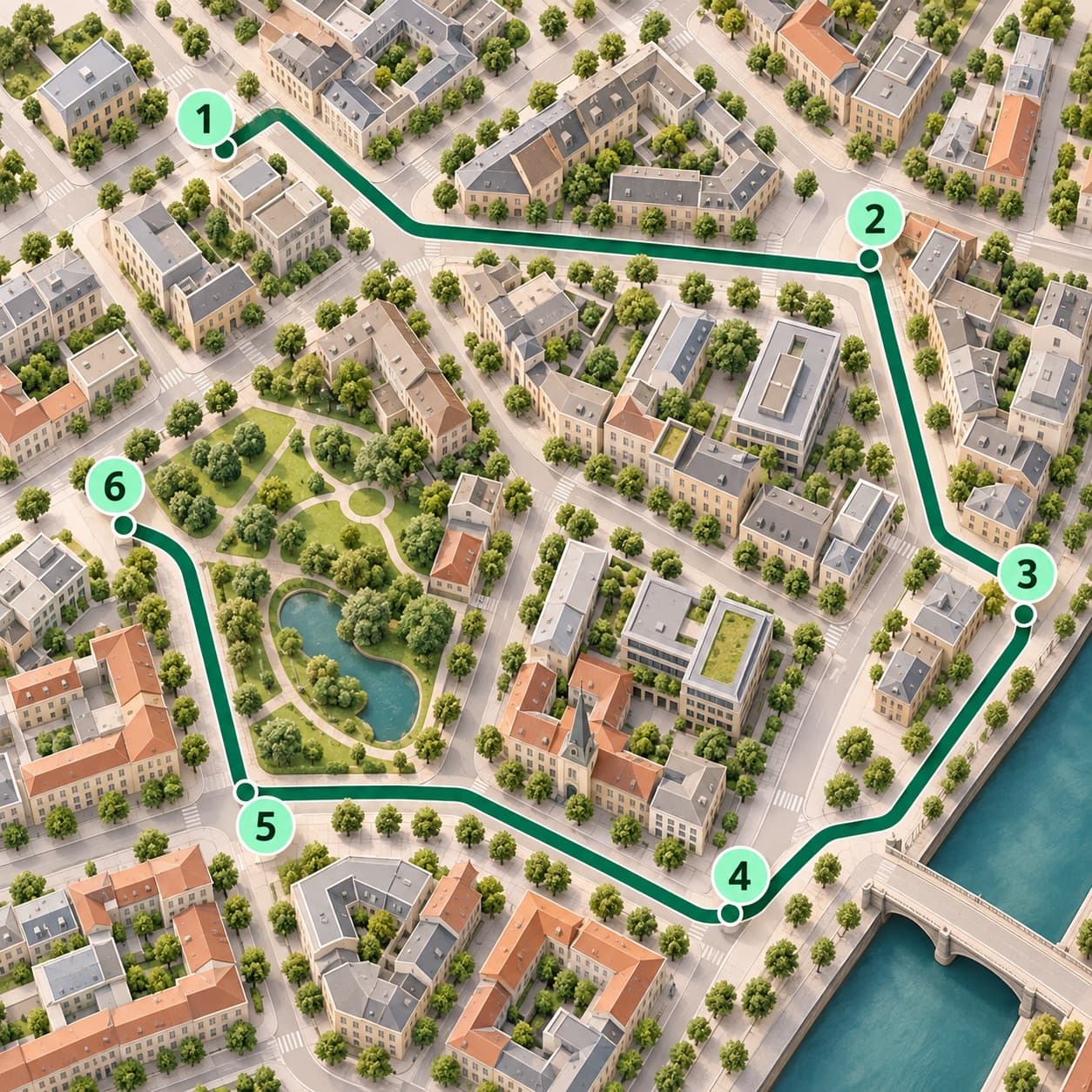
Build practical visit plans around the customers, territories, and priorities that matter. Give each agent a clear route before the day begins.
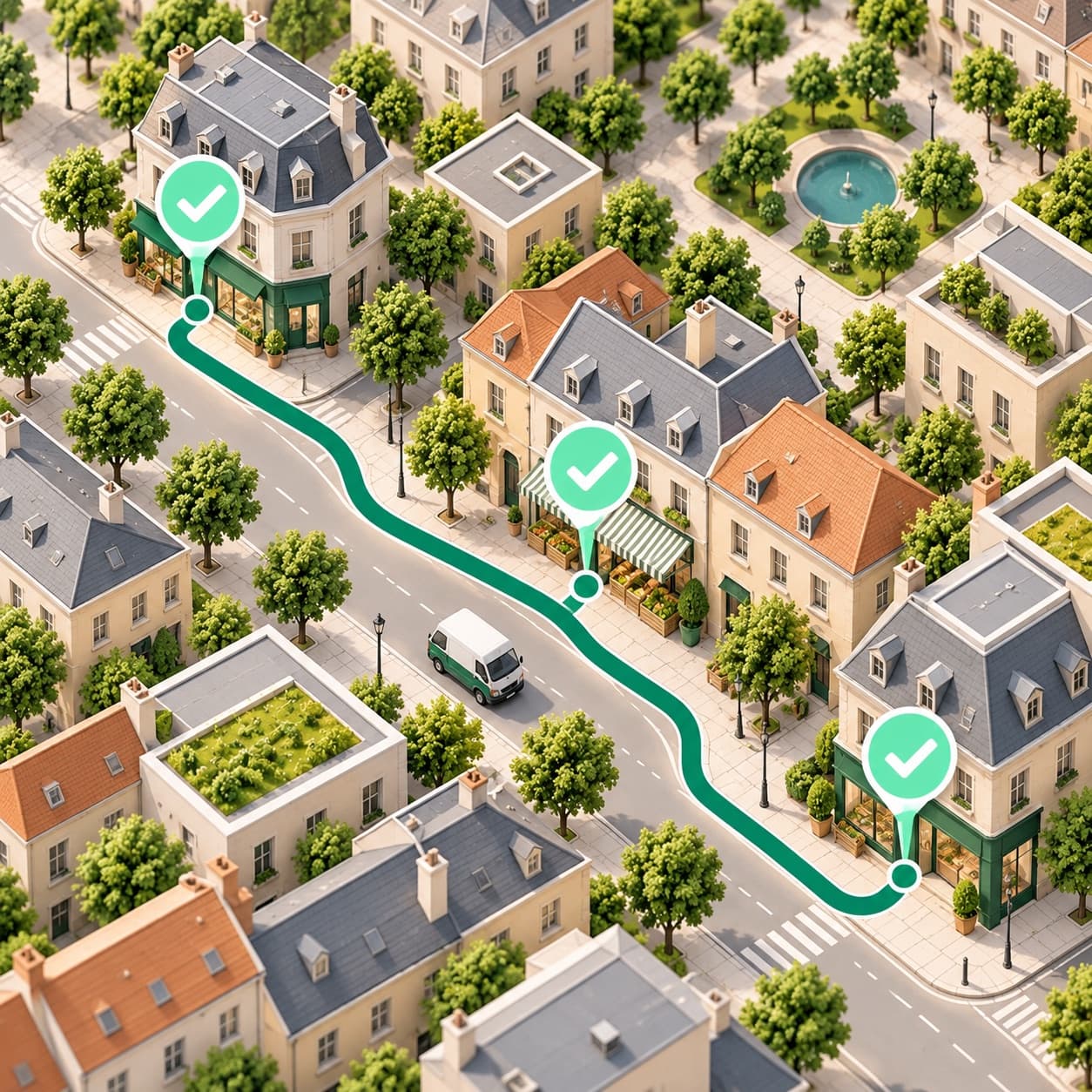
Passive location signals and automatic visit capture help you understand where agents went and what happened, without adding another reporting task.
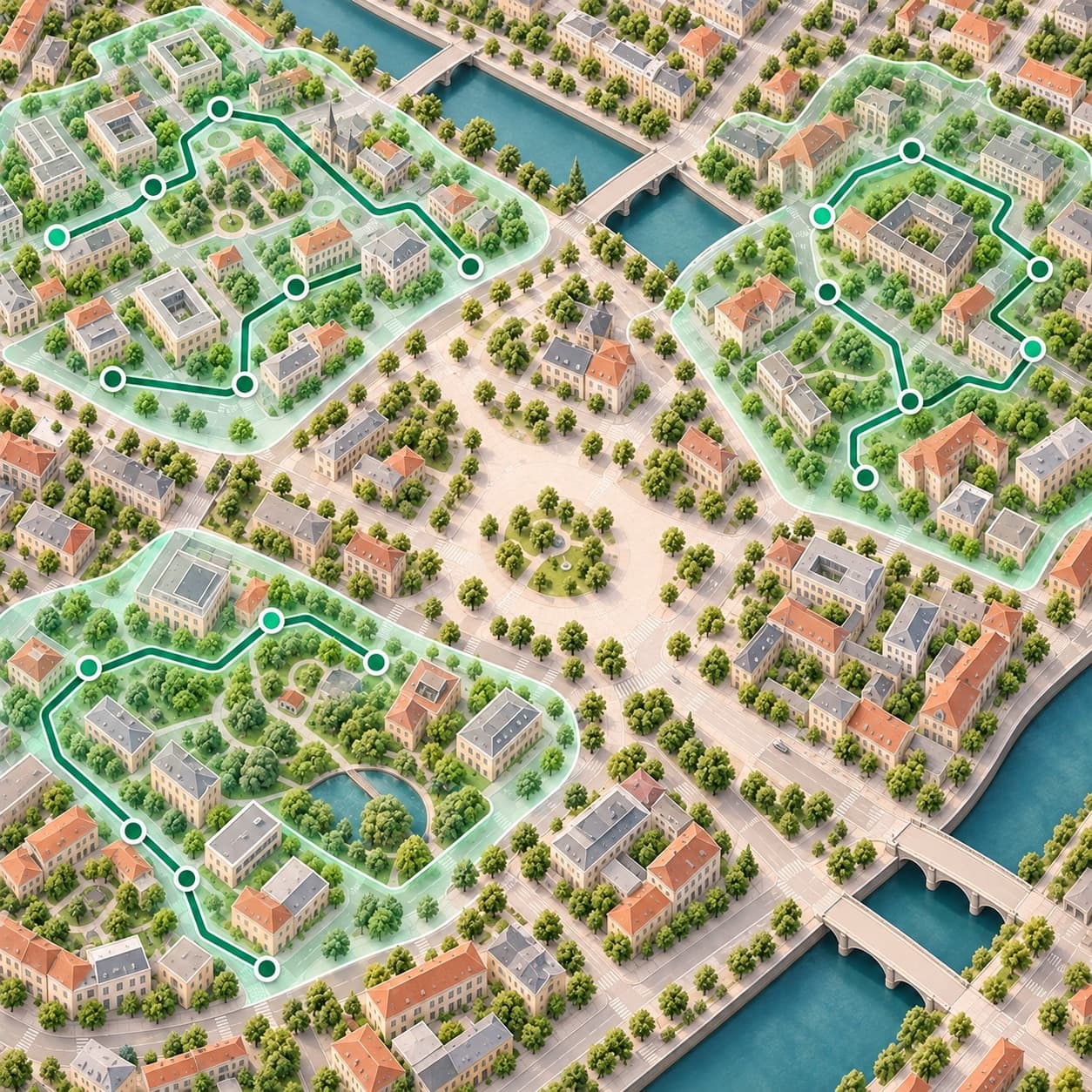
Bring routes, visits, and field signals into one operating view. Spot gaps and coach with evidence while there is still time to act.
Everything you need to know before getting a closer look at Granola Maps.
Granola Maps is a field sales execution platform for companies that manage sales agents on the road. It combines passive field activity tracking, route optimization, visit planning, and manager dashboards.
Granola Maps is built for founders, CEOs, sales managers, and operations leaders who need better visibility into field sales teams, recurring visits, customer coverage, and daily execution.
The mobile field app can collect location and visit activity signals in the background, so managers can understand where agents spent time and which visits were completed without relying only on manual reports.
Auto check-in for field sales uses location-aware activity signals to help verify customer visits without requiring reps to manually check in for every stop.
Granola Maps is designed to complement CRM systems by focusing on what CRMs often miss: route optimization, verified field execution, agent activity, and customer coverage in the field.
Visit planning helps managers create structured daily or monthly field schedules, assign customer visits, optimize routes, balance workloads, and give agents a clear plan before they start their route.
Route optimization helps teams reduce drive time, improve daily coverage, and organize visits in a smarter sequence based on geography, workload, and customer priority.